

History Of Nagarcoil

Nagercoil, the administrative headquarters of Kanyakumari district in Tamil Nadu, has a rich and layered history shaped by culture, trade, and dynastic rule. The name Nagercoil is derived from the famous Arulmigu Nagaraja Temple, dedicated to the serpent god, which has been a center of worship since ancient times. The region was historically part of the Ay dynasty, followed by the Venad rulers, and later came under the powerful Travancore Kingdom.

Due to its strategic location near the southern tip of India, Nagercoil became an important hub for spice trade, attracting traders from Arabia, Europe, and other parts of Asia. During the 18th and 19th centuries, it flourished under the Travancore rulers, especially Maharaja Swathi Thirunal, who contributed to education, administration, and culture. After India’s independence, Nagercoil was merged with Tamil Nadu in 1956 following the States Reorganisation Act, marking a significant political transition.

Today, Nagercoil reflects a unique blend of Tamil and Kerala cultures, visible in its language, architecture, food, and traditions. Its history, combined with natural beauty and religious significance, makes Nagercoil an important cultural and historical city in South India.

Pride of Nagercoil

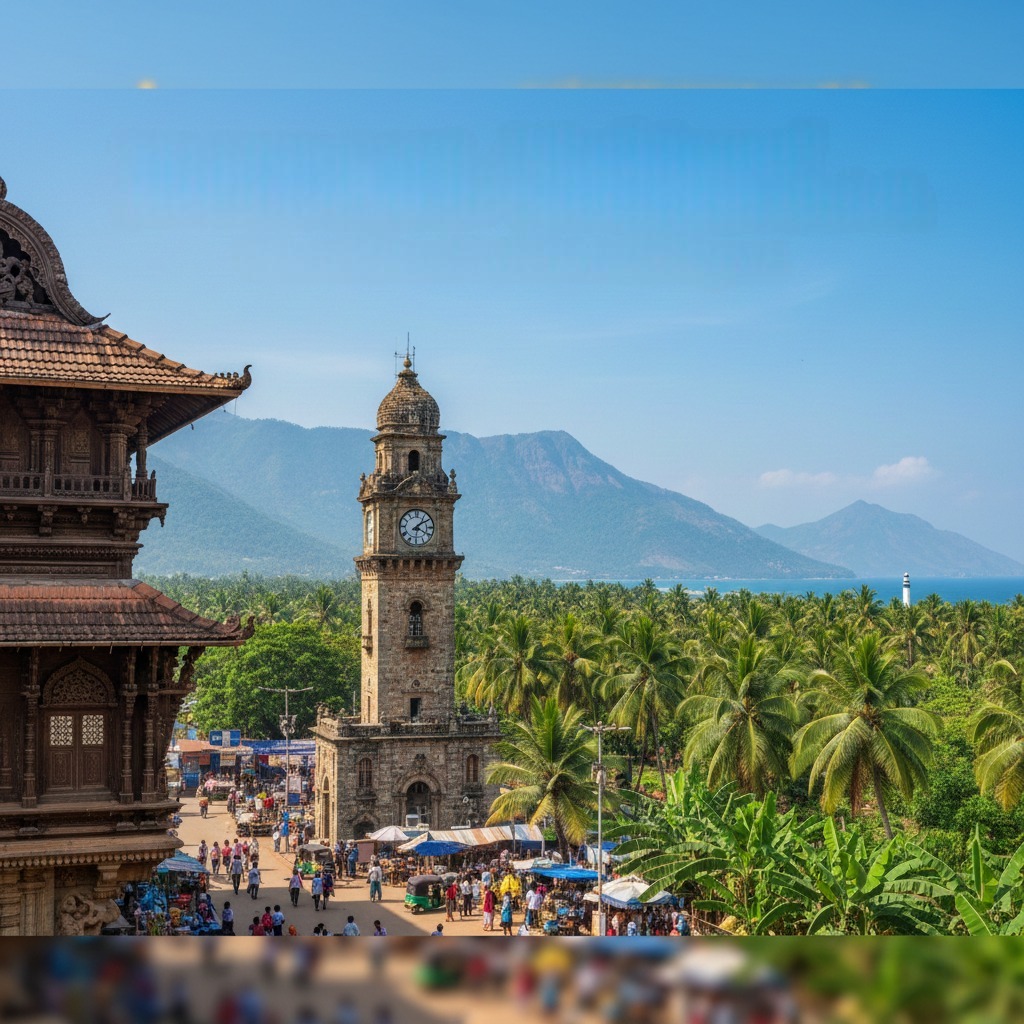
Nagercoil is the pride of Tamil Nadu’s southern edge, known for its rich cultural harmony, natural beauty, and historical importance. The city stands out for its unique blend of Tamil and Kerala traditions, reflected in its language, food, festivals, and lifestyle. Landmarks like the Arulmigu Nagaraja Temple, its proximity to Kanyakumari, and lush surroundings of hills, rivers, and beaches add to its charm. Nagercoil is also admired for its educational institutions, peaceful living, and warm hospitality, making it a city that balances tradition, nature, and modern growth with pride.

Nagercoil has a vibrant and distinctive culture shaped by a harmonious blend of Tamil and Kerala traditions. This cultural mix is reflected in the local language, art, architecture, food habits, and daily lifestyle. Classical music, folk arts, temple traditions, and Christian customs all coexist peacefully, showcasing the city’s unity in diversity. The cuisine ranges from traditional Tamil dishes to Kerala-style preparations, 

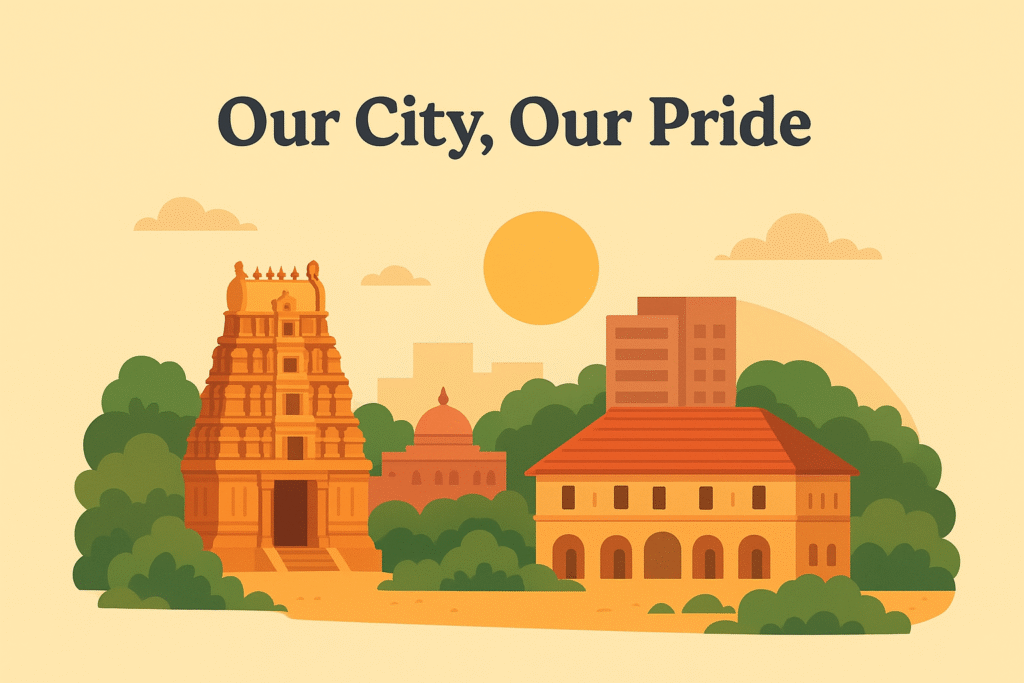
Nagercoil is more than just a city—it is our identity and pride. Known for its cultural harmony, rich heritage, and natural beauty, Nagercoil beautifully blends tradition with modern life. From historic temples and peaceful surroundings to warm-hearted people and vibrant festivals, our city reflects unity, values, and progress. Truly, Nagercoil stands tall as our city, our pride.

Rich Culture

20

Vibrant Festi

Historic Heri

+

Spiritual Land

+

                   ROADS

  • From Kanyakumari: Frequent buses (AC, Volvo, Sleeper) and taxis run between Kanyakumari and Nagercoil.
  • From Other Cities: State-run and private buses connect Nagercoil with major towns in Tamil Nadu and Kerala.
  • By Car: Nagercoil is well-connected by road networks (NHs), making driving a viable option. 

                   TRAINS

  • Nagercoil Junction (NCJ) is a major railway station.
  • From Chennai: Direct trains like the Chennai Egmore – Nagercoil Vande Bharat Express (20627) are available.
  • From Bengaluru: The Nagercoil Express (17235) runs daily.
  • From Trichy: Numerous weekly trains connect Trichy to Nagercoi

                   FLIGHTS

  • Nearest Airport: Thiruvananthapuram International Airport (TRV) in Kerala, about 90 km away.
  • Other Option: Tuticorin Airport (TCR) is another, smaller option, around 105 km away.
  • From Airport: Hire a taxi or take a bus from Thiruvananthapuram to Nagercoil. 
  • Here are the primary ways to get to Nagercoil via flights