Temples

Temples

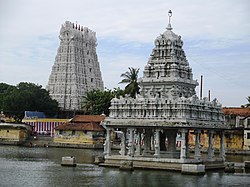
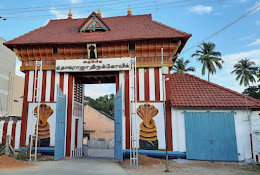
Sree Adi Kesava Perumal Temple

The Adikesava Perumal Temple is a Perumal temple located in Thiruvattar, Kanyakumari district, Tamil Nadu, India and is one of the 108 Divya desams, the holy sites of Hindu Vaishnavism in existing Tamil hymns from the seventh and eighth centuries C.E. The temple is one of the historic thirteen Divya Desams of Malai Nadu. The temple is a picturesque setting surrounded on three sides by rivers namely, (River Kothai, River Pahrali and River Thamirabarani) It was the Rajya Temple and Bharadevatha shrine of Erstwhile Travancore. After state reorganisation, the temple was handed over to Tamil Nadu H&RCE Dept. Since Vishnu resides here in a reclining position, and is surrounded by rivers, the temple is called as “The Srirangam of Chera Kingdom”. The temple was consecrated by Parasurama and is admired by Veda vyasa in the sections which deal with temples in Padma Purana. As per the stone inscriptions which dates back to 779 KE the temple is established in the Treta yuga. The Adikesava temple is also where Chaitanya Mahaprabhu, founder of the Gaudiya Vaishnava movement, discovered the lost manuscript of the Brahma Samhita.
Temples

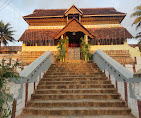
Suchindram Shree Thanumalayan Swamy Temple

The Thanumalayan Temple, also called Sthanumalayan Temple, is an important Hindu temple located in Suchindram in the Kanyakumari district of Tamil Nadu, India. The Thanumalayan Temple is of importance to both Shaivaite and Vaishnavite sects of Hinduism, as the name Stanumalaya denotes the Trimurti; “Stanu” means Shiva; “Mal” means Vishnu; and the “Ayan” means Brahma. It counts among the Abhimana Kshetrams in Vaishnavite traditions. It is one of the 108 Shiva Temples revered by the Kerala Hindu culture, though this temple is now in Tamil Nadu, after Kanyakumari District was merged into Tamil Nadu from Travancore. The temple complex covers around two acres and has two gateway towers called gopurams. The tallest is the eastern tower with 11 stories and a height of 44 metres (144 ft). The temple has numerous shrines, with those of Sthanumalayan and that of Hanuman being the most prominent. The temple has six daily rituals at various times from 5:30 a.m. to 9 p.m., and many yearly festivals on its calendar, with the festival during Margazhi being the most prominent. The present masonry structure was built during the in the 9th century, while later expansions are attributed to Thirumalai Nayak and the Travancore Maharajas. The temple is maintained and administered by the Dharmapuram Aadhenam. The temple is associated with Indra whose sin was propitiated after worshiping the presiding deity

Temples

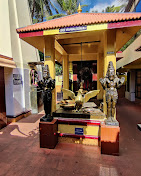
Arulmigu Sri Nagaraja Temple

agaraja Temple is an early large temple found in the city of (Nagarkōyil) near the southern tip of , India. Its dating is uncertain but likely pre-12th-century. The main sanctum is dedicated to the Nagaraja – the king of serpents. Padmanabham (1985), Heritage Of The Tamils Temple Arts, Editors: SV Subramanian and G Rajendran, International Institute of Tamil Studies, Since the 17th-century, new Hindu shrines have been added to the temple complex attracting devotees of Krishna (Vishnu), as well as Shaiva and Shakti Hindus.[1] The original iconography of the Tirthankaras and Padmavati Devi have and continue to remain a part of the sacred pantheon close to the temple’s main sanctum The temple has three shrines. The oldest and the main shrine’s deity remains the original The second shrine is dedicated to Ananthakrishna (baby  dancing on a coiled snake) with Rukmini and Satyabhama. The third shrine is dedicated to  The mandapa includes six icons of  and a goddess such as Parsvanatha and Padmavati Devi with rare, non-standard emblems (all lions). It also includes those of Hindu deities such as Subrahmanya Swami, Ganesha and Devi Bhagavati.

Scroll to Top